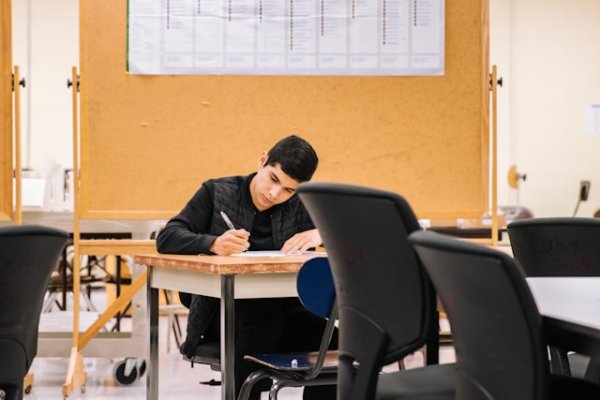
UNICEF has recently published a report that proposes measures to improve the educational situation of children and adolescents involved in the juvenile justice system in Chile. The study, based on a review of regulations and programmes, interviews with professionals from the education and justice sectors, and an inter-institutional workshop, highlights that, despite progress in guaranteeing the right to education in contexts of deprivation of liberty, there are still significant barriers to its full realisation. These barriers are largely linked to the lack of flexibility in educational modalities, funding limitations, and the insufficient specialised preparation of educational communities that receive children and adolescents undergoing reintegration.
To address these challenges, UNICEF proposes a set of recommendations. The report calls for adapting educational options to the specific characteristics of these children and adolescents, taking into account factors such as the interruptions and transitions that often occur in their educational trajectories, and the need for tailored support and follow-up measures to help them continue their education. It also stresses the importance of improving coordination between external educational opportunities and reintegration programmes. The report proposes the creation of a national strategy to strengthen the preparedness of educational communities that welcome these children after their involvement with the justice system, promoting inclusive environments and teachers specialised in working with adolescents in reintegration processes.
Finally, the report also recommends taking measures to facilitate access to higher education for young people in conflict with the law, through the use of learning models that include curricular flexibility and psychosocial support, as part of a joint effort between the educational and judicial systems.